Coming soon
Let’s make something new together




What Is the Big Bang?
The Short Answer:The big bang is how astronomers explain the way the universe began. It is the idea that the universe began as just a single point, then expanded and stretched to grow as large as it is right now—and it is still stretching!
What’s This Big Bang All About?
In 1927, an astronomer named Georges Lemaître had a big idea. He said that a very long time ago, the universe started as just a single point. He said the universe stretched and expanded to get as big as it is now, and that it could keep on stretching.
What an Idea!
The universe is a very big place, and it’s been around for a very long time. Thinking about how it all started is hard to imagine.
Some More Information
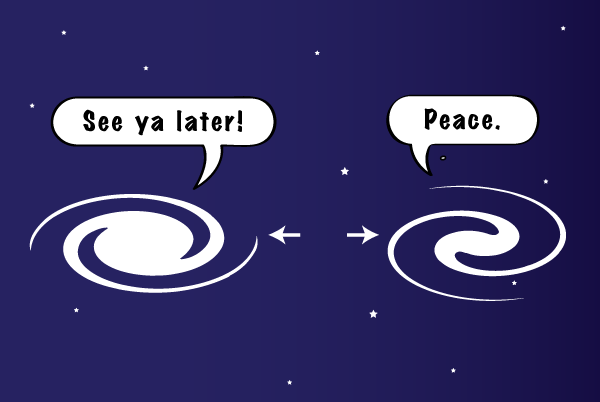
Just two years later, an astronomer named Edwin Hubble noticed that other galaxies were moving away from us. And that’s not all. The farthest galaxies were moving faster than the ones close to us.
This meant that the universe was still expanding, just like Lemaître thought. If things were moving apart, it meant that long ago, everything had been close together.
Everything we can see in our universe today—stars, planets, comets, asteroids—they weren’t there at the beginning. Where did they come from?
A Tiny, Hot Beginning
When the universe began, it was just hot, tiny particles mixed with light and energy. It was nothing like what we see now. As everything expanded and took up more space, it cooled down.
The tiny particles grouped together. They formed atoms. Then those atoms grouped together. Over lots of time, atoms came together to form stars and galaxies.
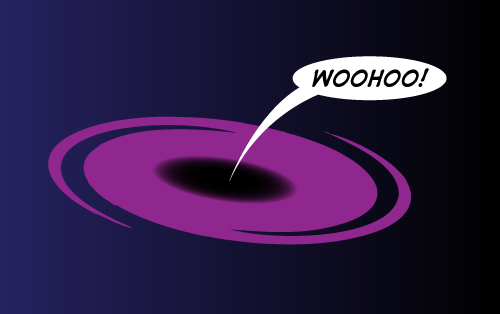
The first stars created bigger atoms and groups of atoms. That led to more stars being born. At the same time, galaxies were crashing and grouping together. As new stars were being born and dying, then things like asteroids, comets, planets, and black holes formed!
A Super Long Time
How long did all of this take? Well, we now know that the universe is 13,800,000,000 years old—that’s 13.8 billion. That is a very long time.
What’s in a Name?
That’s pretty much how the universe began. Because it got so big and led to such great things, some people call it the “Big Bang.” But maybe a better name would be the “Everywhere Stretch.” What do you think?article last updated March 17, 2021
If you liked this, you may like:


By Subject
By Type
Explore some more!
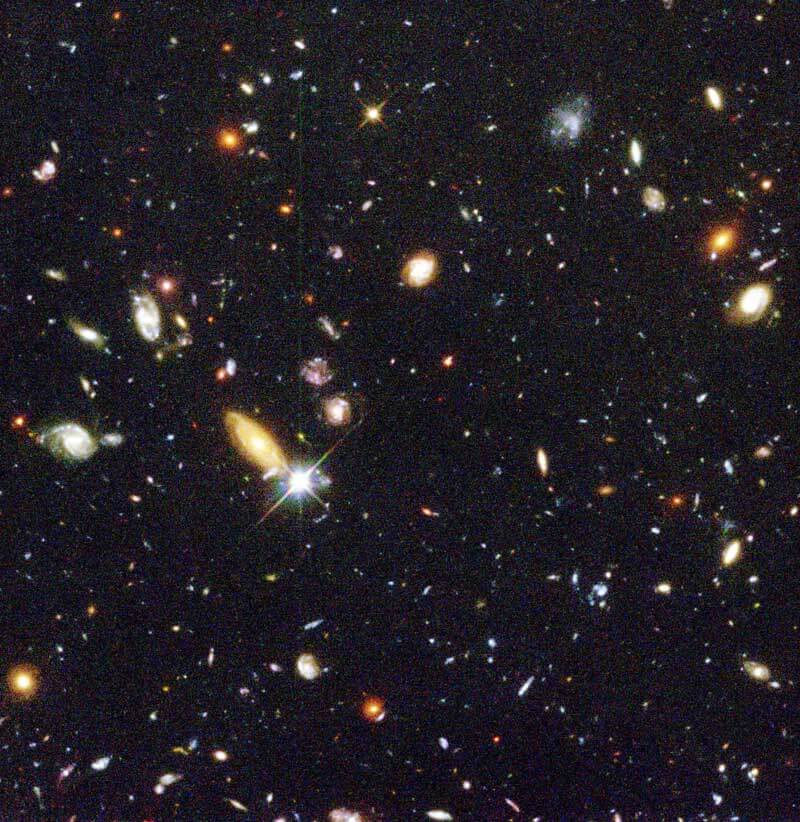
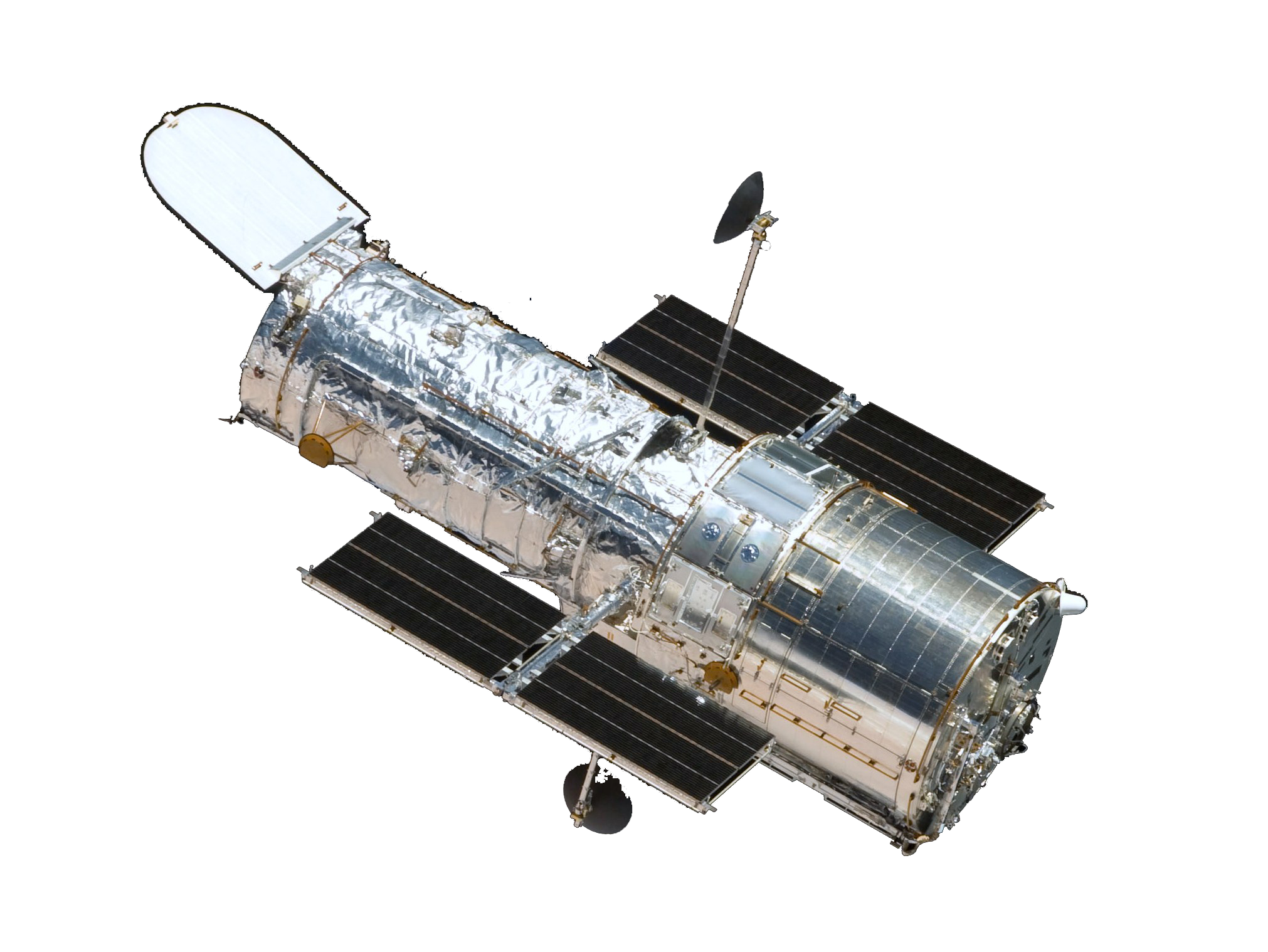
Have you heard the name Hubble before? He has a spacecraft named after him: the Hubble Space Telescope. It orbits Earth and takes amazing pictures of our universe.
 UNIVERSE